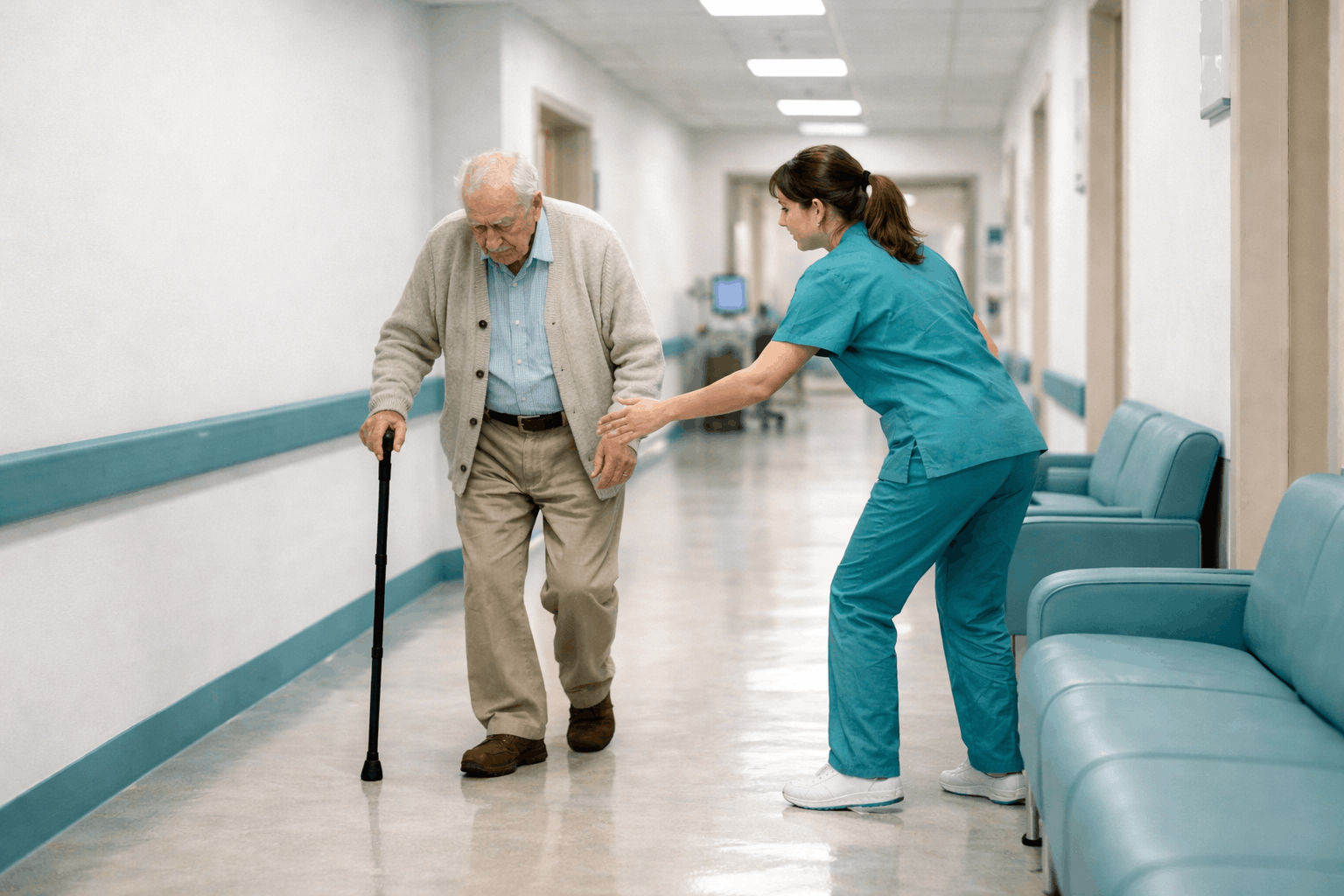
Doctor visits are meant to improve health but for many seniors, they can quietly introduce risk.
Appointments often involve complex instructions, medication changes, mobility challenges, and fast-paced conversations. Without the right support, elderly patients are expected to manage all of this on their own.
That’s where problems begin.
Elderly patient safety during appointments is not just about what happens in the exam room—it’s about whether the patient fully understands, follows through, and safely navigates the entire experience. When support is missing, small gaps can turn into serious issues.
Understanding how lack of support affects elderly patient safety during appointments is essential for preventing avoidable risks and ensuring better outcomes.
Jump To:
- Why Elderly Patient Safety During Appointments Is More Vulnerable
- Risk #1: Misunderstanding Medical Instructions
- Risk #2: Medication Errors After Visits
- Risk #3: Mobility and Physical Safety Concerns
- Risk #4: Missed or Incomplete Communication
- Risk #5: Difficulty Managing Follow-Ups
- Risk #6: Emotional Stress and Anxiety
- The Compounding Effect of No Support
- How to Improve Safety During Appointments
- Why Support Improves Outcomes
- Key Takeaways
- FAQs
TLDR – Quick Guide
- Elderly patient safety during appointments depends on clear communication and support
- Lack of assistance can lead to misunderstandings and medication errors
- Mobility and transportation challenges increase safety risks
- Seniors may struggle to retain or follow medical instructions
- Structured support improves safety, clarity, and follow-through
Being present at an appointment is not enough—support is what ensures safety.
Detailed Breakdown
Why Elderly Patient Safety During Appointments Is More Vulnerable
Seniors often face a unique combination of challenges during medical visits. These include physical limitations, cognitive changes, and complex healthcare needs.
During a single appointment, they may need to:
- Understand a diagnosis
- Process treatment options
- Manage medication changes
- Schedule follow-ups
Without support, this becomes overwhelming.
This is why elderly patient safety during appointments requires more than standard care—it requires structured assistance to ensure nothing is missed.
Risk #1: Misunderstanding Medical Instructions
One of the biggest risks is misunderstanding what the doctor says.
This can happen due to:
- Fast-paced explanations
- Complex medical terminology
- Hearing or cognitive limitations
As a result, patients may:
- Take medication incorrectly
- Miss follow-up appointments
- Fail to follow treatment plans
These errors directly impact elderly patient safety during appointments and can lead to serious health complications.
Risk #2: Medication Errors After Visits
Appointments often result in new prescriptions or changes to existing medications.
Without proper support:
- Instructions may be misunderstood
- Dosages may be incorrect
- Timing may be inconsistent
Even small mistakes can have significant consequences for seniors.
Having someone present to clarify and confirm instructions is critical for maintaining elderly patient safety during appointments.
Risk #3: Mobility and Physical Safety Concerns
Getting to, from, and within a medical facility can present physical risks.
Seniors may face:
- Difficulty walking or standing for long periods
- Risk of falls in unfamiliar environments
- Challenges navigating large clinics or hospitals
Without assistance, these risks increase significantly.
Reliable non-emergency medical transportation coordination helps ensure safe travel to and from appointments, reducing physical strain and risk.
Risk #4: Missed or Incomplete Communication
Doctors rely on accurate information to provide proper care.
Without support, seniors may:
- Forget to mention important symptoms
- Struggle to explain their condition clearly
- Miss key questions during the visit
This can lead to incomplete assessments and less effective treatment plans.
Structured assistance during appointments helps ensure all relevant information is communicated, improving elderly patient safety during appointments.
Risk #5: Difficulty Managing Follow-Ups
Appointments rarely end with just one visit. Follow-ups, tests, and referrals are often required.
Without coordination:
- Appointments may not be scheduled correctly
- Important steps may be missed
- Delays in care may occur
These gaps create risks that extend beyond the initial visit.
Support services like medical appointment accompaniment support help ensure that follow-ups are properly managed and completed.
Risk #6: Emotional Stress and Anxiety
Medical visits can be stressful, especially for elderly patients.
They may experience:
- Anxiety about diagnoses
- Confusion during discussions
- Fear of procedures or outcomes
This emotional stress can affect their ability to focus and retain information.
Reducing stress through support improves both understanding and elderly patient safety during appointments.
The Compounding Effect of No Support
The most important issue is that these risks don’t happen in isolation.
A patient might:
- Misunderstand instructions
- Miss a follow-up
- Take medication incorrectly
All from a single unsupported appointment.
This chain reaction highlights how critical support is for maintaining elderly patient safety during appointments.
How to Improve Safety During Appointments
Addressing these risks requires a proactive approach.
Ensure Someone Is Present During Visits
Having a caregiver or support professional present helps:
- Take notes
- Ask questions
- Clarify instructions
This significantly reduces the risk of misunderstandings.
Use Professional Support Services
Structured support goes beyond basic assistance.
Organizations like Enhanced Care care coordination services provide comprehensive support, ensuring seniors receive guidance before, during, and after appointments.
Plan Transportation and Timing
Safe and reliable transportation reduces stress and physical risk.
Scheduling with buffer time also helps avoid rushing and confusion.
Encourage Clear Communication
Patients and caregivers should:
- Ask for simple explanations
- Confirm understanding before leaving
- Request written instructions when possible
Coordinate Follow-Ups Immediately
Before leaving the appointment:
- Schedule the next visit
- Confirm referrals
- Review next steps
This prevents delays and missed care.
Why Support Improves Outcomes
When proper support is in place:
- Instructions are understood and followed
- Appointments are attended consistently
- Communication improves between patients and providers
- Safety risks are significantly reduced
Improving elderly patient safety during appointments leads to better health outcomes and a more manageable care experience.
Key Takeaways
Elderly patient safety during appointments depends heavily on the level of support provided.
- Lack of support increases risk of misunderstanding and errors
- Mobility and transportation challenges create safety concerns
- Communication gaps lead to incomplete care
- Follow-ups may be missed without coordination
- Structured support significantly improves safety and outcomes
Support is not an extra—it’s a critical part of safe and effective healthcare for seniors.
FAQs
1. Why is elderly patient safety during appointments important?
Elderly patient safety during appointments ensures that seniors understand and follow medical instructions correctly. Without proper support, mistakes can happen. This can lead to serious health risks.
2. What risks do seniors face during medical visits?
They may experience confusion, mobility challenges, and difficulty understanding instructions. These factors increase the risk of errors. Support helps reduce these issues.
3. How can support improve safety during appointments?
Support provides assistance with communication, note-taking, and follow-up planning. It ensures nothing important is missed. This leads to better outcomes.
4. Is transportation part of patient safety?
Yes, safe and reliable transportation is essential. It reduces physical strain and ensures timely arrival. This is especially important for seniors.
5. What services help improve elderly patient safety?
Services like medical visit accompaniment and care coordination provide structured support. They help patients navigate appointments safely. This improves overall healthcare experience.