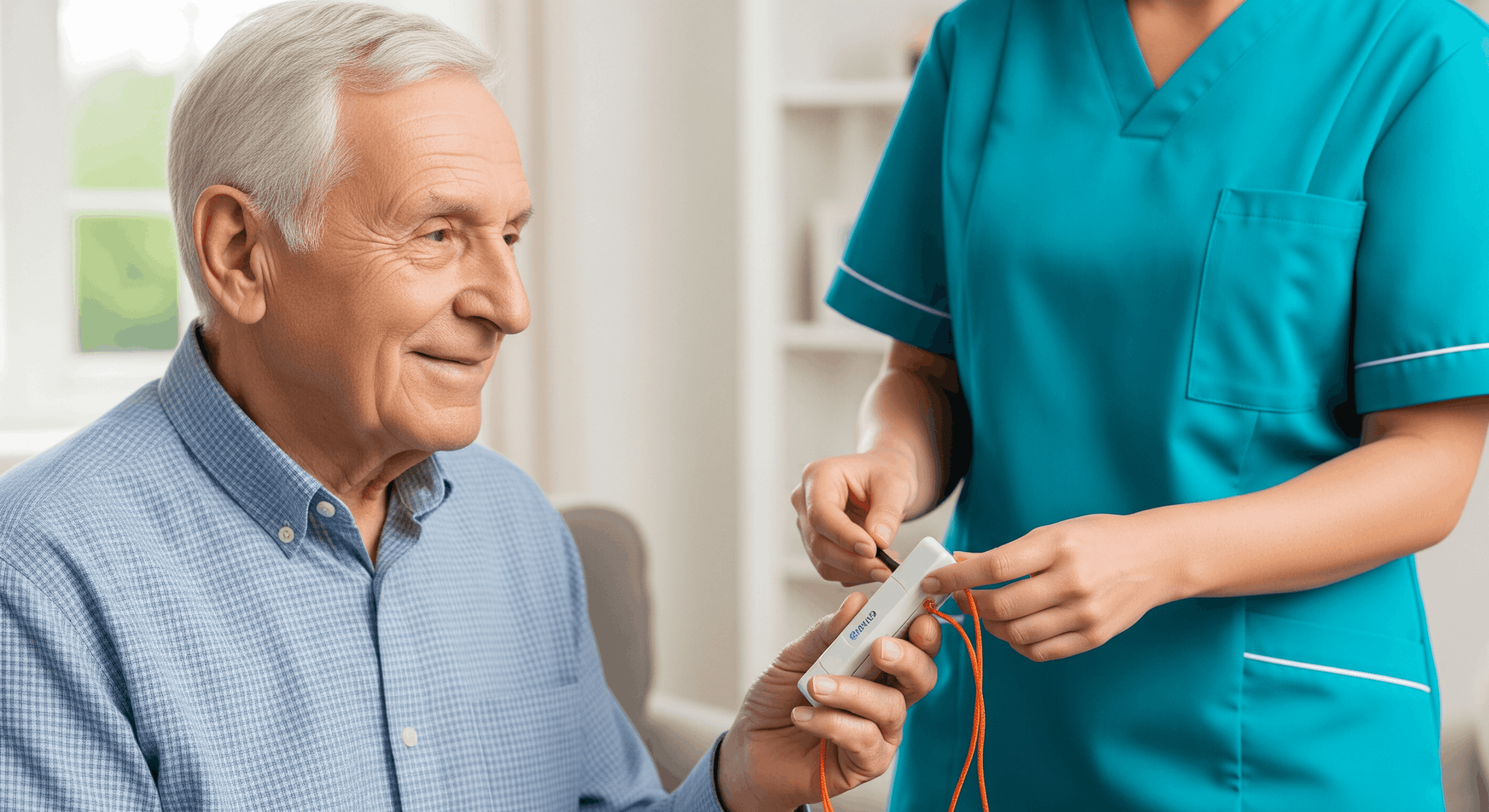
Independence is important to older adults — but safety matters just as much. As mobility changes, memory concerns increase, or medical conditions progress, quick access to help becomes critical. That’s where two-way communication devices for elderly adults can make a life-changing difference.
These devices allow seniors to speak directly with a caregiver, emergency responder, or monitoring service at the push of a button. But they aren’t only for emergencies. When introduced at the right time, they provide peace of mind, prevent crises, and allow families to act before situations escalate.
If you’re unsure whether now is the right time to consider one, this guide will help you decide.
Jump To:
TLDR – Quick Guide
- Two-way communication devices allow instant voice connection in emergencies.
- They are ideal for seniors with fall risk or medical conditions.
- GPS-enabled devices improve safety outside the home.
- Early adoption increases independence and reduces caregiver stress.
- Devices work best alongside coordinated care and support services.
Detailed Breakdown: When Two-Way Communication Devices for Elderly Adults Are Most Helpful
1. After a Fall or Near-Fall Incident
A single fall can significantly increase the risk of another. If your loved one has experienced a fall — even without serious injury — it’s time to evaluate safety tools.
Warning signs include:
- Fear of walking alone
- Unexplained bruises
- Difficulty getting up from chairs
- Avoiding stairs
Two-way communication devices allow seniors to immediately speak to someone if they fall. When combined with structured follow-up care — such as medical visit accompaniment services — families can ensure proper evaluation and reduce repeat incidents.
Quick communication reduces the time between accident and assistance.
2. When Memory Changes Begin
Early cognitive decline may present subtly:
- Forgetting appointments
- Leaving appliances on
- Getting disoriented in familiar places
Two-way communication devices for elderly adults provide immediate reassurance and access to help when confusion arises.
For seniors who travel to appointments or community programs, pairing devices with transportation coordination services strengthens overall safety and reduces missed care.
Technology becomes a bridge — not a restriction.
3. When Living Alone Becomes Riskier
Seniors who live independently often value privacy. However, isolation increases safety concerns.
Communication devices are particularly helpful when:
- A spouse has recently passed away
- Adult children live far away
- Chronic conditions require monitoring
- Nighttime mobility is unstable
Devices offer independence while maintaining a safety net.
When isolation is a factor, broader care coordination and support services can address both medical and social safety needs beyond the device itself.
4. During Recovery From Surgery or Hospitalization
Post-hospital recovery periods carry increased risk of complications.
Temporary use of two-way communication devices for elderly adults during recovery can:
- Provide reassurance
- Enable rapid response
- Reduce emergency room visits
- Support safe mobility at home
Families coordinating discharge plans may benefit from structured guidance through social services and benefits navigation support to ensure all available safety resources are activated.
Short-term monitoring often prevents long-term setbacks.
5. When Seniors Leave Home Frequently
Many modern devices include GPS tracking and mobile connectivity.
These are ideal for seniors who:
- Walk daily
- Attend church or community events
- Use public transportation
- Drive short distances
GPS-enabled two-way communication devices for elderly adults ensure help is reachable both at home and outside.
Independence doesn’t have to mean vulnerability.
6. When Caregivers Feel Constant Anxiety
Sometimes the strongest indicator isn’t the senior — it’s the caregiver.
If family members:
- Call repeatedly to check in
- Worry about unanswered phones
- Avoid leaving the house
- Feel anxious overnight
A communication device can restore peace of mind.
Programs like Enhanced Care California focus on coordinating broader safety strategies that complement assistive technology. Devices work best when part of a larger support plan.
Reducing caregiver anxiety improves family stability.
How to Choose the Right Device
When evaluating two-way communication devices for elderly adults, consider:
- Fall detection capability
- GPS tracking features
- Battery life
- Waterproof design
- Monitoring service reliability
- Ease of use
Simplicity is critical. If the device is too complicated, it won’t be used consistently.
Key Takeaways
- Two-way communication devices for elderly adults provide instant access to help.
- They are especially important after falls, hospitalizations, or cognitive changes.
- GPS-enabled devices improve safety outside the home.
- Caregiver peace of mind is a major benefit.
- Devices work best when integrated into broader care coordination.
Safety planning should happen before a crisis — not after one.
FAQs
1. What are two-way communication devices for elderly adults?
These devices allow seniors to speak directly with caregivers or monitoring centers at the press of a button. Many include fall detection and GPS tracking. They are designed for both in-home and mobile safety.
2. Are these devices only for emergencies?
No. While they are useful in emergencies, they also provide reassurance for everyday situations. Seniors can use them if they feel confused, unsafe, or need assistance.
3. Do Medicare or Medi-Cal cover communication devices?
Coverage varies by plan and eligibility. Some programs may include assistive technology under certain conditions. Families should verify coverage through their health plan or care coordination provider.
4. When is the right time to introduce a device?
The best time is before a serious incident occurs. Early adoption improves comfort and consistent usage. Waiting until after a crisis may limit options.
5. Can these devices replace caregiver support?
No. They are a safety tool, not a replacement for structured care. Combining technology with care coordination provides the strongest protection.